


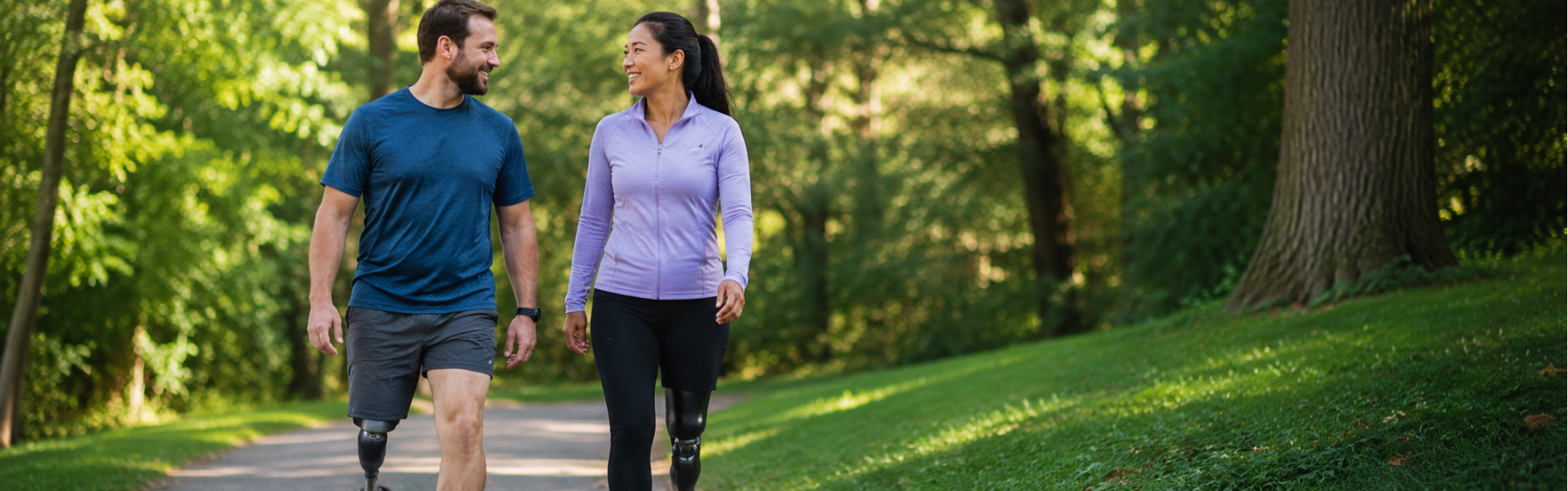
Awareness can change lives
April is Limb Loss and Limb Difference Awareness Month—a time to raise awareness, recognize the experiences of people living with limb loss and limb difference, and promote the care, support and resources that help people live well.
At Wounds Canada, we believe everyone deserves timely, compassionate and person-centred care. We also believe that when wounds are identified and treated early, some avoidable limb loss can be prevented.
What are limb loss and limb difference?
Limb loss and limb difference are part of many different life experiences.
Limb loss may occur when part or all of a limb is removed through amputation or is lost because of illness, injury or another cause.
Limb difference is a congenital condition where a limb develops differently or is partially missing from birth.
Every person's experience is different. People living with limb loss or limb difference may have physical, emotional, social and practical needs that change over time.
Awareness means more than understanding the medical side of limb loss. It means listening to people with lived experience, recognizing their expertise and ensuring they have access to the care, rehabilitation, resources and support they need.
Listen to lived experiences
What patients want health-care professionals to know
People living with limb loss bring expertise that can help shape better care.
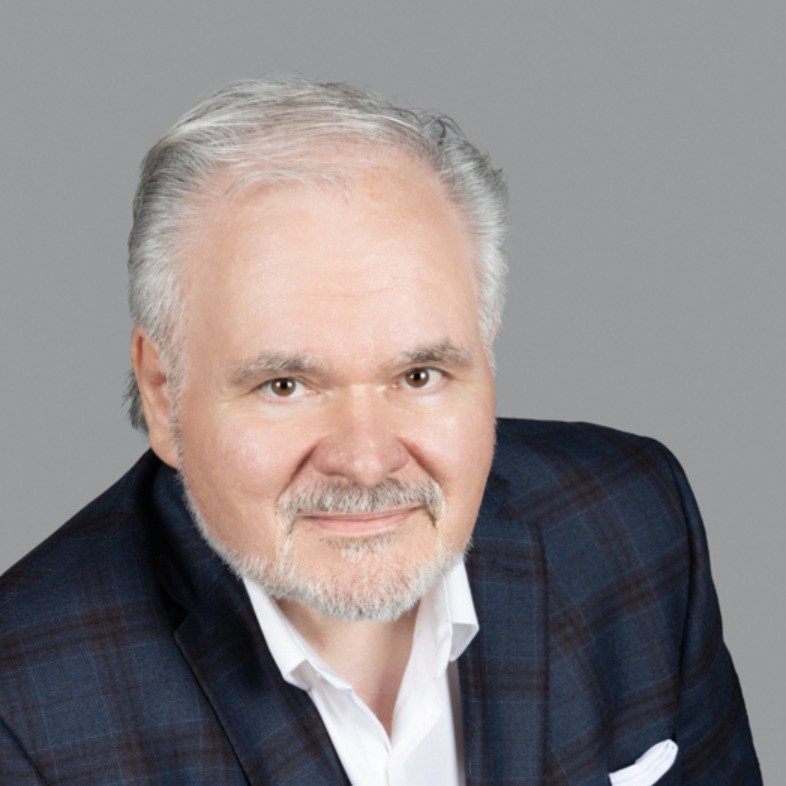
Paolo Polese of Limb Loss Connection shares what he wishes health-care professionals knew about the experience of limb loss — and what helped him rebuild his life.
"For me, recovery wasn't just about healing a wound—it was about rebuilding a life."
Paolo lost his leg to a severe infection in 2018. Today, he works in community engagement and partnerships with Limb Loss Connection and is a certified peer support worker.
What can health-care professionals do?
Paolo's message is simple: see the person, not just the patient.
Health-care professionals can:
- Listen and include people in conversations about their care
- Recognize that people may be scared, grieving or trying to process a life-changing experience
- Introduce peer support early
- Connect people with community organizations and resources
- Support rehabilitation, mobility and independence
- Recognize lived experience as an important part of care
- Focus on what people can do, not only on what they have lost
Recovery is a human journey, not just a medical process.
Interview with Paolo Polese of Limb Loss Connection: What Patients Wish Primary Care Providers Knew
Wounds Canada: What are some of the most important messages you would like to share with health-care professionals working in limb loss and limb difference?
Paolo Polese: On June 21, 2018, my life changed forever. I lost my leg to a flesh-eating disease. One day, I was living my normal life, and the next, I was trying to understand who I was going to be moving forward.
The most important message I can share with health-care professionals is this: you are meeting people on the worst day of their lives.
In those moments, your words, your tone and your presence matter more than you may realize. I still remember the professionals who spoke to me with compassion, who slowed down, who treated me like a person — not just a patient.
Please understand:
- We are scared
- We are grieving
- We are trying to process something unimaginable
Take the time to listen. Include us in conversations. Give us honesty, but also give us hope. Because sometimes, one conversation can shape how someone approaches the rest of their life.
Wounds Canada: What do you feel are the most important interventions concerning improvement in quality of life?
Paolo Polese: For me, recovery wasn't just about healing a wound — it was about rebuilding a life.
One of the most powerful interventions I experienced—and now provide—is peer support. Talking to someone who has lived it changes everything. It turns fear into possibility.
Alongside that, what truly improves quality of life includes:
- Mental health support, because the emotional trauma is just as real as the physical
- Rehabilitation and mobility training, which gave me back independence
- Education, so I knew what to expect instead of fearing the unknown
But if I had to say what mattered most, it's connection. Knowing you're not alone is what helps you move forward.
I remember times when a health-care professional took an extra few minutes just to sit with me, to talk, to reassure me that life wasn't over. That meant everything.
In our community, I've seen:
- Doctors connecting patients with peer supporters early, giving them hope right away
- Nurses offering encouragement during the hardest days
- Therapists celebrating small wins like they were huge milestones
What makes these moments so powerful is genuine human connection. It's when a health-care professional looks at you and you can feel that they care — not just about your recovery, but about you as a person.
Those moments stay with us. They become part of our story. And often, they are what give us the strength to keep going.
Source: Paolo Polese, Limb Loss Connection, interviewed by Wounds Canada
Preventing avoidable limb loss
Not all limb loss can be prevented. Limb loss can result from many causes, including illness, severe infection, injury and other medical conditions.
However, some limb loss is associated with complications from conditions such as diabetes and peripheral arterial disease (PAD).
Diabetes can increase the risk of foot ulcers, infection and amputation. PAD can reduce blood flow to the legs and feet, making wounds more difficult to heal and increasing the risk of serious complications.
From awareness to action
Early identification and appropriate care can help reduce the risk of complications.
1 - Know your risk
Understand conditions such as diabetes and peripheral arterial disease (PAD) that can increase the risk of wounds and avoidable limb loss.
2 - Recognize changes
Know the signs of a wound or circulation problem and don't ignore changes to your feet, legs or skin.
3 - Act early
Seek assessment and appropriate care when you notice a change. Early intervention can help prevent a wound from becoming more serious and may help protect the limb.
4 - Support the whole person
Limb loss is more than a medical event. Peer support, rehabilitation, mental health support and connection can help people adapt, rebuild confidence and live well.
The goal?
Prevent avoidable limb loss—and support better lives for people living with limb loss and limb difference.
Everyone has a role to play
Get information, build confidence and find support.
Explore:
- Know your rights: The Patient Bill of Rights and Responsibilities
- Patient and caregiver story series: Our Voices, Our Stories
- Take care of your feet: Caring for Your Feet: Safe Foot Care if You Have Diabetes
- More diabetes-related foot health resources
- PAD brochure, “If you think it’s JUST leg pain… think again.”
- More peripheral arterial disease (PAD) resources
Health-care professionals
Access evidence-informed resources to support prevention, treatment and limb preservation.
Explore:
- Best Practice Recommendations 2025: Prevention and Management of Diabetic Foot Ulcers
- More diabetes-related foot health resources
- Best Practice Recommendations 2025: Prevention and Management of Peripheral Arterial Ulcers
- More peripheral arterial disease (PAD) resources
- Limb Preservation Journal
- Build knowledge and confidence through Wounds Canada Institute education and training
For Advocates and policy makers
Help advance better wound care and prevent avoidable limb loss.
Explore:
- Support consistent, evidence-informed approaches to wound prevention and management such as Pathway for Preventing and Managing Vascular Wounds and Foot Health Pathway for People Living with Diabetes
- Wounds in Canada: The Hidden Epidemic
Support early action
Preventing avoidable amputations takes more than awareness. It takes education, evidence, resources and access to timely care.
Wounds Canada is a charitable organization dedicated to advancing skin health and excellence in wound management across Canada. Through education, advocacy, research, patient resources and community-building, Wounds Canada works to help prevent wounds before they occur and improve care for people living with wounds.
Your support helps us continue this work.
The Limb Preservation Alliance
Preventing avoidable amputations requires collaboration.
Wounds Canada is proud to be a member of the Limb Preservation Alliance, working alongside national and international organizations to improve awareness, advance education and advocate for better access to limb preservation.
